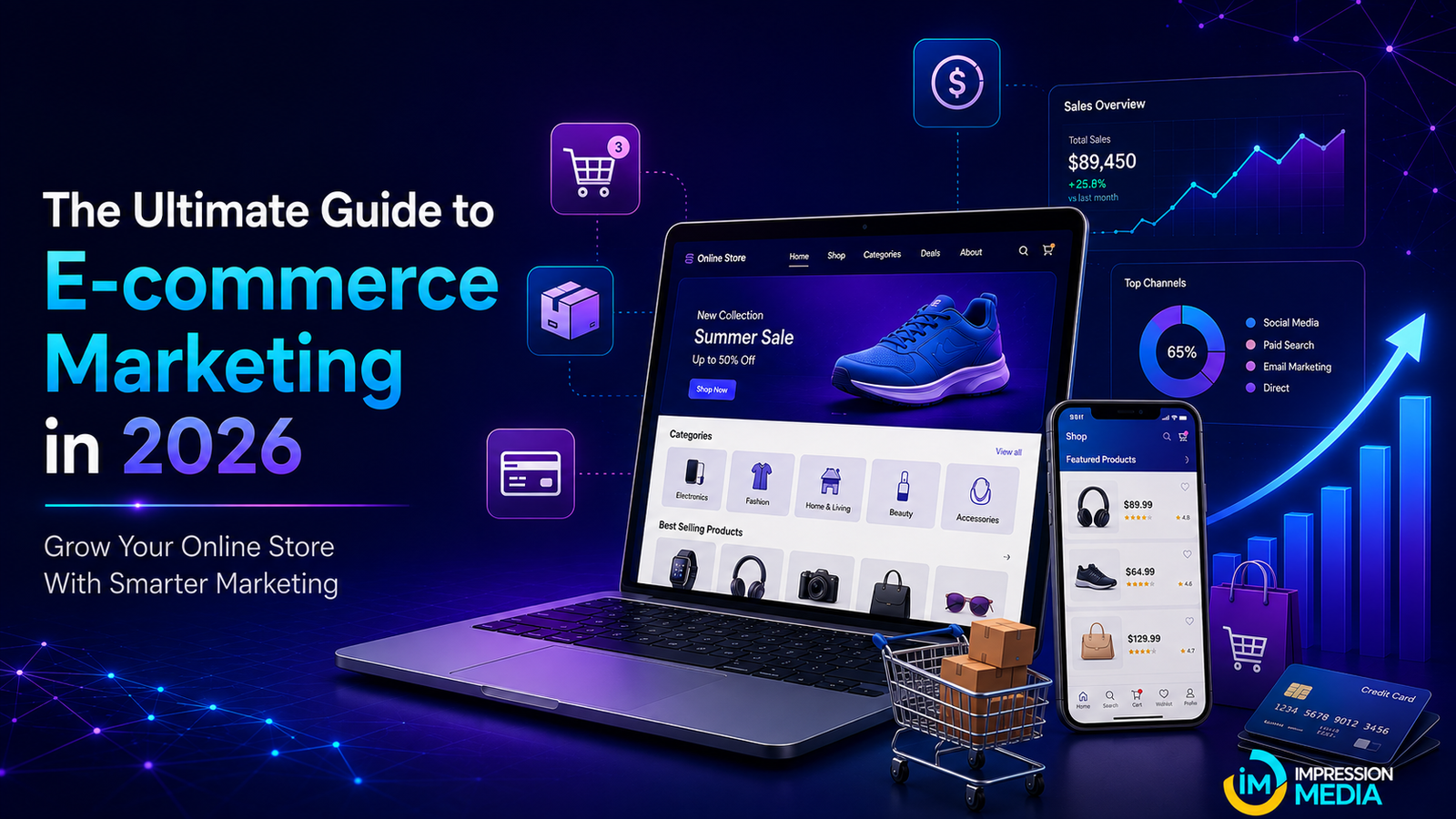
The Ultimate Guide to E-commerce Marketing in 2026
The e-commerce industry continues to grow every year. More people now shop online for clothing, electronics, groceries, healthcare products, and many other items. As competition increases, simply launching an online store is no longer enough. Businesses need a strong e-commerce marketing strategy to attract customers, increase sales, and build long-term relationships.
E-commerce marketing helps businesses promote their products, drive traffic to their websites, and convert visitors into loyal customers. It combines different digital marketing techniques to create a smooth customer journey from discovery to purchase.
In this guide, you'll learn what e-commerce marketing is, why it matters, and how to build a successful strategy in 2026.
What Is E-commerce Marketing?
E-commerce marketing is the process of promoting an online store and its products through digital channels. The goal is to attract potential customers, increase website traffic, generate sales, and encourage repeat purchases.
Businesses use different online marketing methods such as search engine optimization (SEO), social media marketing, email marketing, paid advertising, content marketing, and influencer marketing to reach their target audience.
A successful e-commerce marketing strategy focuses on delivering the right message to the right customer at the right time.
Why Is E-commerce Marketing Important in 2026?
Online shopping continues to evolve. Customers now expect fast websites, personalised experiences, secure payments, and quick deliveries.
Without effective marketing, even the best online stores may struggle to attract visitors.
E-commerce marketing helps businesses:
- Increase brand awareness.
- Drive targeted website traffic.
- Generate quality leads.
- Improve online sales.
- Build customer trust.
- Increase repeat purchases.
- Stay ahead of competitors.
Businesses that invest in digital marketing can reach more customers and grow faster.
Key Components of a Successful E-commerce Marketing Strategy
A successful strategy combines multiple marketing channels that work together.
1. Search Engine Optimization (SEO)
SEO helps your online store appear in search engine results when customers search for products or services.
Good SEO includes:
- Keyword research
- Optimised product pages
- Fast website speed
- Mobile-friendly design
- Quality content
- Internal linking
- Meta titles and descriptions
Higher search rankings can bring consistent organic traffic without paying for every visitor.
2. Social Media Marketing
Social media platforms help businesses connect directly with customers.
Businesses can share:
- Product launches
- Customer testimonials
- Promotional offers
- Educational content
- Behind-the-scenes updates
- Short videos
- Live product demonstrations
Regular engagement helps increase brand visibility and customer loyalty.
3. Paid Advertising
Paid advertising helps businesses reach potential customers quickly.
Popular advertising platforms include:
- Google Ads
- Facebook Ads
- Instagram Ads
- LinkedIn Ads
- YouTube Ads
These platforms allow businesses to target audiences based on location, interests, online behaviour, and other available targeting options.
4. Email Marketing
Email marketing remains one of the most effective ways to nurture customers.
Businesses can send:
- Welcome emails
- Product recommendations
- Promotional offers
- Order updates
- Abandoned cart reminders
- Seasonal campaigns
Personalised email campaigns often improve customer engagement and repeat purchases.
5. Content Marketing
Helpful content builds trust before customers make buying decisions.
Businesses can publish:
- Blog articles
- Buying guides
- Product comparisons
- FAQs
- Videos
- Tutorials
Quality content also improves SEO performance.
6. Influencer Marketing
Influencers can introduce products to highly engaged audiences.
When influencers genuinely recommend products, businesses can increase credibility and reach customers who already trust the creator.
Choosing influencers whose audience matches your target market is often more effective than simply selecting creators with the largest following.
How to Build an Effective E-commerce Marketing Strategy
Every successful online business follows a clear marketing plan.
1. Define Your Goals
Start with clear business objectives.
Your goals may include:
- Increasing website traffic.
- Growing online sales.
- Generating more leads.
- Improving customer retention.
- Building brand awareness.
Clear goals help measure campaign success.
2. Understand Your Target Audience
Know who your ideal customers are.
Research factors such as:
- Age
- Location
- Interests
- Shopping behaviour
- Buying habits
- Customer challenges
Understanding your audience helps create more relevant marketing campaigns.
3. Optimise Your Online Store
Marketing works best when your website provides a great customer experience.
Your store should have:
- Fast loading speed.
- Mobile-friendly design.
- Easy navigation.
- Secure payment options.
- High-quality product images.
- Clear product descriptions.
A better shopping experience often leads to higher conversion rates.
4. Create High-Quality Product Content
Product pages should answer customer questions.
Include:
- Detailed descriptions
- High-resolution images
- Product videos
- Customer reviews
- Frequently asked questions
Good product content improves trust and helps customers make confident buying decisions.
5. Measure Campaign Performance
Track your marketing performance regularly.
Important metrics include:
- Website traffic
- Conversion rate
- Click-through rate (CTR)
- Cost per acquisition (CPA)
- Return on ad spend (ROAS)
- Average order value
- Customer lifetime value
These insights help businesses improve future campaigns.
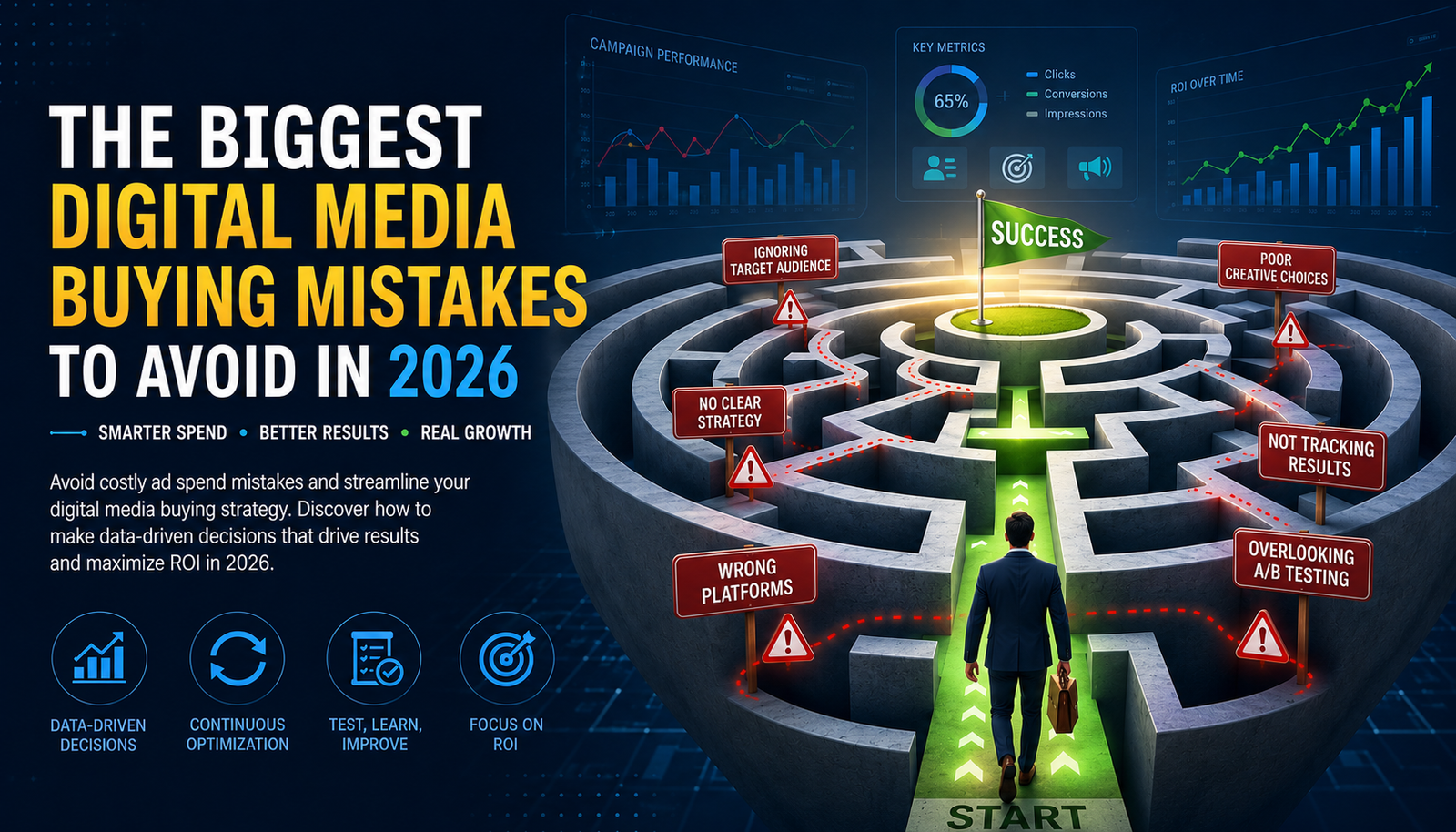
Common E-commerce Marketing Mistakes to Avoid
Many online businesses make mistakes that reduce marketing performance.
Avoid these common problems:
- Ignoring SEO.
- Targeting the wrong audience.
- Using poor-quality product images.
- Creating slow websites.
- Not testing advertising campaigns.
- Ignoring customer reviews.
- Sending too many promotional emails.
- Failing to optimise for mobile users.
Avoiding these mistakes can improve customer satisfaction and increase sales.
E-commerce Marketing Trends in 2026
Digital marketing continues to evolve with new technologies.
Some important trends include:
Artificial Intelligence
AI helps businesses personalise shopping experiences, automate recommendations, and improve customer support.
Short-Form Video Content
Short videos continue to attract customer attention across social media platforms and product pages.
Personalised Marketing
Customers expect personalised recommendations based on their interests and shopping behaviour.
Voice Search
More users now search for products using voice assistants, making conversational SEO increasingly important.
Omnichannel Marketing
Businesses now connect websites, mobile apps, social media, email, and offline stores to create a seamless customer experience.
Conclusion
E-commerce marketing is no longer optional for online businesses. It plays a vital role in attracting customers, increasing website traffic, improving conversions, and building long-term customer relationships.
A successful e-commerce marketing strategy combines SEO, social media marketing, paid advertising, email marketing, content marketing, and influencer marketing to create a complete customer journey.
Businesses should also focus on understanding their audience, optimising their websites, creating valuable content, and measuring campaign performance regularly.
As digital marketing continues to evolve in 2026, businesses that stay flexible, embrace new technologies, and focus on delivering excellent customer experiences will be better positioned for long-term success. Investing in the right e-commerce marketing strategy today can help your business grow faster, strengthen your brand, and increase online sales for years to come.
.png)