
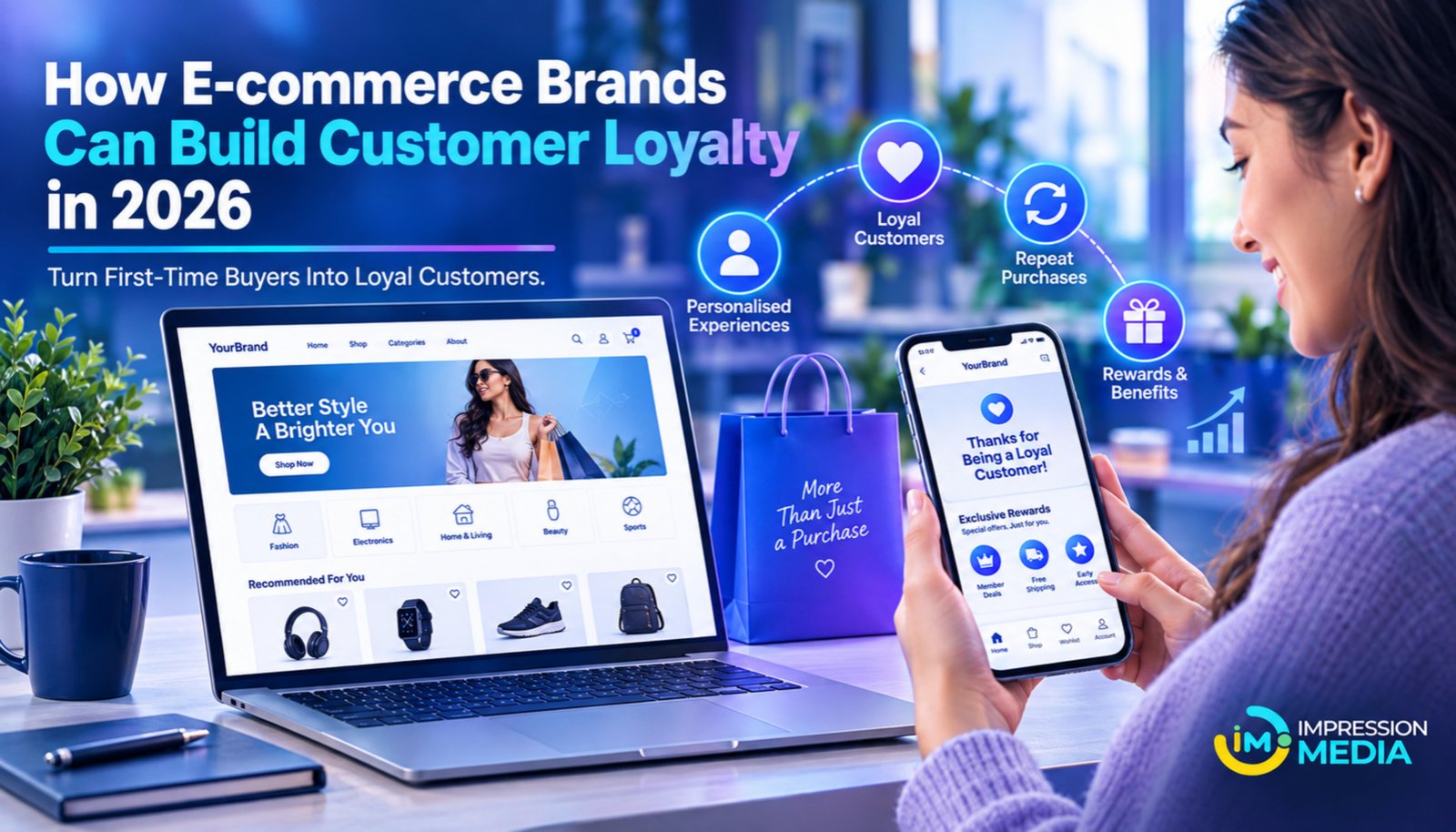
How E-commerce Brands Can Build Customer Loyalty in 2026
Getting a customer to make their first purchase is important.
Getting that customer to come back is even more valuable.
E-commerce brands face strong competition in 2026. Customers can compare products, prices, reviews, and offers within minutes.
This makes customer loyalty an important part of e-commerce growth.
Loyal customers can make repeat purchases and recommend brands to others. They may also engage with a brand across different digital channels.
However, loyalty does not happen automatically.
E-commerce businesses need to create positive experiences before, during, and after every purchase.
In this article, we explore practical e-commerce customer loyalty strategies that brands can use in 2026.
What Is Customer Loyalty in E-commerce?
Customer loyalty refers to a customer's willingness to continue buying from the same brand.
A loyal customer does more than make one purchase.
They may:
- Purchase products repeatedly
- Recommend the brand
- Engage with content
- Join loyalty programs
- Leave positive reviews
- Choose the brand over competitors
Customer loyalty develops when customers consistently receive value and positive experiences.
Why Customer Loyalty Matters for E-commerce Brands
Acquiring new customers can require significant marketing effort.
Loyal customers already know the brand and its products.
They may also feel more comfortable making another purchase.
Strong customer loyalty can help e-commerce businesses:
- Increase repeat purchases
- Improve customer retention
- Strengthen brand relationships
- Encourage referrals
- Increase customer lifetime value
- Build a stronger brand reputation
For this reason, e-commerce marketing should not focus only on acquiring new customers.
It should also focus on keeping existing customers engaged.
1. Provide a Smooth Shopping Experience
A complicated shopping experience can discourage customers from returning.
Your website should make it easy to discover products and complete purchases.
Improve the Online Store Experience
Focus on:
- Simple navigation
- Fast-loading pages
- Clear product information
- Easy search
- Mobile-friendly design
- Simple checkout
- Multiple payment options
Every unnecessary step can create friction.
A smoother experience can make customers more comfortable shopping again.
2. Offer High-Quality Products
Marketing can attract customers.
Product quality helps determine whether they return.
Customers expect products to match their descriptions and images.
Set Realistic Expectations
Avoid exaggerated product claims.
Use accurate descriptions and high-quality images.
Mention important information such as:
- Product size
- Materials
- Features
- Delivery information
- Return conditions
- Product limitations
Clear information can help reduce disappointment after purchase.
3. Build a Strong Loyalty Program
Loyalty programs can encourage customers to shop repeatedly.
Brands can reward customers for meaningful actions.
Rewards may include:
- Points
- Discounts
- Early access
- Exclusive products
- Free shipping
- Special offers
Keep the Program Simple
Customers should understand how the program works.
Explain how they earn and use rewards.
Avoid complicated rules that make rewards difficult to access.
A simple loyalty program can encourage continued engagement.
4. Personalize the Customer Experience
Customers appreciate relevant recommendations.
E-commerce brands can use customer data to create more personalized experiences.
For example, a store can recommend products based on previous purchases or browsing activity.
Use Personalization Carefully
Personalization can appear across different touchpoints.
Businesses can personalize:
- Product recommendations
- Email campaigns
- Offers
- Website content
- Follow-up messages
However, businesses should respect customer privacy and applicable data protection requirements.
5. Provide Excellent Customer Support
Customer service can strongly influence the shopping experience.
Customers want quick and helpful answers when they have problems.
Make Support Easy to Access
Offer suitable support channels such as:
- Live chat
- Phone support
- Messaging
- Help centres
AI-powered tools can answer common questions.
Human support should remain available for more complex issues.
6. Make Returns and Refunds Easier
Customers want to know what happens if a product does not meet their expectations.
A complicated return process can damage trust.
Create a Clear Return Policy
Your return policy should clearly explain:
- Return eligibility
- Return period
- Required conditions
- Refund process
- Exchange options
- Shipping responsibilities
Clear policies reduce confusion and help customers feel more confident.
7. Use Email Marketing to Stay Connected
The relationship should not end after a purchase.
Email marketing can help brands stay connected with existing customers.
Businesses can send:
- Product recommendations
- New product announcements
- Helpful tips
- Special offers
- Loyalty rewards
- Purchase updates
Avoid Sending Too Many Promotional Emails
Customers can lose interest when every email asks them to buy something.
Mix promotional messages with useful content.
Make each email relevant to the recipient.
8. Encourage Customer Reviews
Reviews can strengthen trust and create social proof.
Existing customers can share their experiences with potential buyers.
They can also provide useful feedback to the business.
Make Reviews Easy
After a purchase, send a simple review request.
Ask customers to share their experience with the product and service.
Businesses should never create fake reviews or manipulate customer feedback.
Authentic reviews provide more value.
9. Create a Strong Brand Community
Customers can become more connected to brands when they feel part of a community.
E-commerce brands can build communities through social media, email, events, and other digital platforms.
Encourage Customer Participation
You can invite customers to:
- Share product photos
- Participate in polls
- Join discussions
- Share experiences
- Submit user-generated content
This can create a stronger relationship beyond individual purchases.
10. Reward Repeat Customers
Repeat customers should feel valued.
Brands can recognise customers who continue choosing their products.
Rewards could include:
- Exclusive discounts
- Birthday offers
- Early product access
- Loyalty points
- Special bundles
- Free shipping
Make Customers Feel Appreciated
Rewards do not always need to be expensive.
Personalised messages and early access can also create a feeling of recognition.
Small gestures can strengthen customer relationships.
11. Use Social Media to Maintain Relationships
Social media provides an opportunity to stay connected with customers.
However, businesses should not use every post as a sales advertisement.
Share content that customers find useful or entertaining.
This may include:
- Product tips
- Tutorials
- Customer stories
- Behind-the-scenes content
- Educational content
- New product announcements
Consistent communication can help keep the brand familiar.
12. Listen to Customer Feedback
Customer feedback can reveal what your business is doing well.
It can also highlight problems that need attention.
Track feedback from:
- Product reviews
- Customer support
- Social media
- Surveys
- Website feedback
- Direct messages
Turn Feedback Into Improvements
Do not simply collect feedback.
Look for recurring issues.
If multiple customers report the same problem, investigate it.
Then communicate improvements when appropriate.
Customers appreciate brands that listen.
How Technology Can Support Customer Loyalty
Technology is changing how e-commerce brands manage customer relationships.
AI and analytics can help businesses understand customer behaviour.
Businesses can use technology to identify purchasing patterns and create more relevant experiences.
Automation can also support:
- Email campaigns
- Customer support
- Product recommendations
- Loyalty programs
- Customer segmentation
- Feedback collection
Technology should support the customer experience rather than make it feel impersonal.
Common Customer Loyalty Mistakes to Avoid
Building customer loyalty requires consistency.
Avoid these common mistakes:
1. Focusing Only on Discounts
Constant discounts can reduce perceived product value.
Focus on overall customer value instead.
2. Ignoring Existing Customers
Do not focus entirely on acquiring new customers.
Existing customers also need attention.
3. Making Loyalty Programs Complicated
Customers may stop participating when rewards are difficult to understand.
Keep the system simple.
4. Ignoring Customer Complaints
Complaints can reveal important business problems.
Respond professionally and use feedback to improve.
Measuring Customer Loyalty
Businesses need to measure whether their loyalty efforts are working.
Useful metrics include:
- Repeat purchase rate
- Customer retention rate
- Customer lifetime value
- Average order value
- Loyalty program participation
- Referral activity
- Customer reviews
Tracking these metrics can help businesses understand customer behaviour.
Conclusion
Customer loyalty is becoming increasingly important for e-commerce brands in 2026.
Businesses cannot rely only on advertisements and discounts to keep customers.
They need to create positive experiences at every stage of the customer journey.
A smooth website, quality products, excellent support, personalised experiences, loyalty programs, and clear communication can strengthen customer relationships.
Brands should also listen to feedback and continuously improve their services.
The goal is simple: give customers good reasons to return.
With the right e-commerce marketing strategy, businesses can build stronger relationships, encourage repeat purchases, and create long-term customer value.